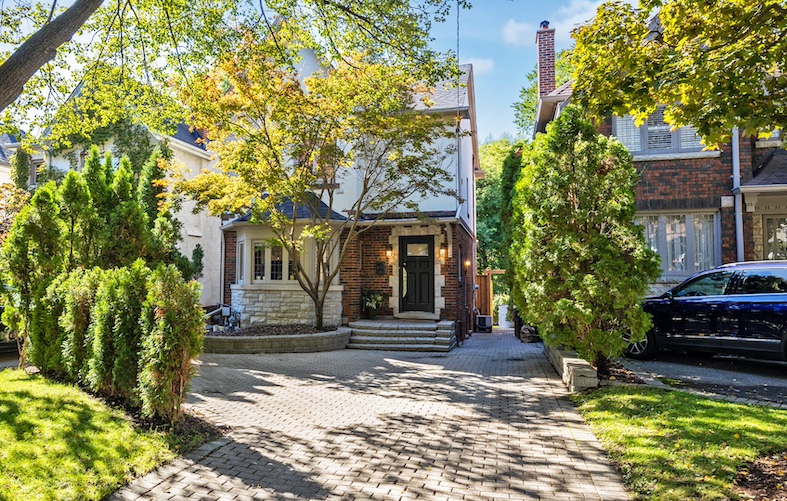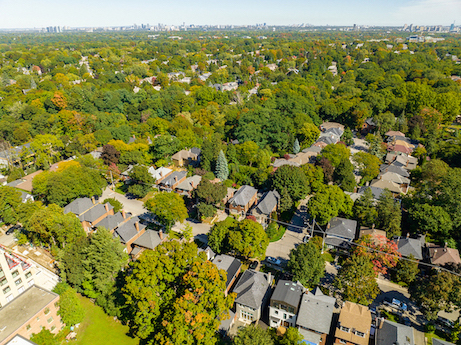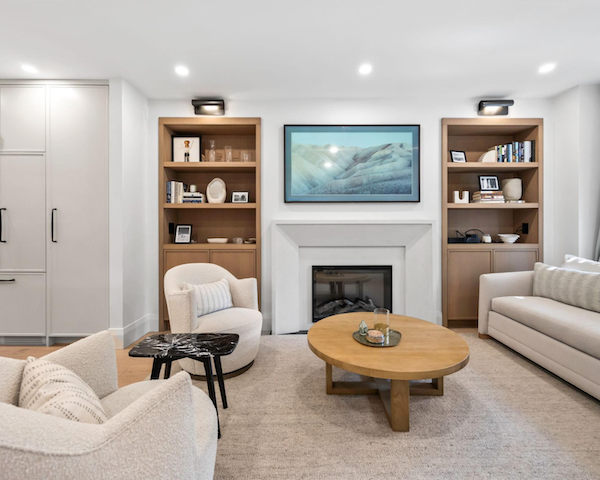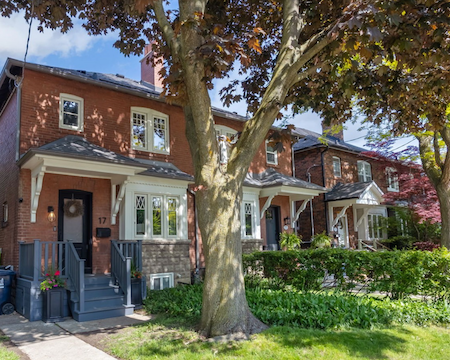
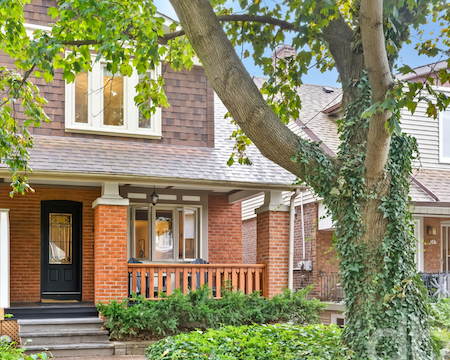
The path to upsizing or downsizing your current home is usually straightforward. The traditional method is to sell your existing property before you begin searching for the next. Or, you might turn tradition on its head and decide to secure a home before yours even hits the market. This option can be advantageous, especially when you have a particular style of home in mind or what you’re looking for is in short supply.
There is, however, a third option, one that takes you from a homeowner to a full-on real estate investor in one of the most streamlined ways imaginable! This means buying a second house without selling the first. In this post, we’ll answer your most pressing questions about using equity to buy a second home. You’ll also get some insightful landlord tips to manage your investment.
Want the latest facts when it comes to Midtown Real Estate? Subscribe to our newsletter for up-to-date statistics, tips, and early access to our listings.
The Art of Buying an Investment Property
Real estate investing typically involves searching for a different property than the one you’re living in. But if you plan to move anyway, you could hold on to your house while searching for a new place for yourself.
In either case, you should know your way around the second home mortgage rules in Canada. This brings us to the question:
Can I Have Two Mortgages on Two Different Houses?
As long as you have a healthy credit score and can comfortably afford to repay the loan, you can absolutely have two different mortgages. In fact, you might have multiple loans on the go, especially if you follow the BRRRR method (Buy, Repair, Rent, Refinance, Repeat.)
Here’s how to get a second mortgage to buy another house. First, understand the type of lender you are dealing with to finance your purchase.
- B-Lenders or Private Lenders can offer more lenient criteria and flexibility. On the downside, they can also come with higher interest rates, plus they are less regulated.
- A-Lenders are traditional banks and credit unions. They often offer the best rates, but have more stringent lending guidelines.
Second Mortgage Calculations
To get an idea of how much you might be able to borrow, calculate how much equity you have in your current property. Take its current value in today’s market and subtract how much you still owe on it.
Most A-Lenders typically provide up to 80% of your existing property value minus the balance on your first mortgage. For example:
Let’s say the appraised value of your home is $2 million. You still have $500,000 before you pay it off completely.
80% of your home value works out to $1.6 million. Subtract your existing mortgage, and you potentially qualify for $1.1 million in financing. ($1.6 million – $500,000).
When considering a second mortgage, it’s also important to weigh the additional costs and risks. Interest rates are often higher due to the increased risk to the lender.
In the event you default on the loan, you could stand to lose one of your properties to Power of Sale or foreclosure. If you have a strong financial foundation and are ready to move forward with buying a second property, a visit to a mortgage professional may be in order.
What type of house should you set your sights on? The posts below can help you decide:
- What to Look for When Buying a House
- Semi-Detached House Vs Townhouse: What’s Better in Midtown Toronto?
- Should You Buy a Resale or a Pre-Construction Condo?
How to Rent Out a House in Ontario
Renting out a house is a little more complex than just advertising online. Demand is high, and your home is likely to attract a lot of interest. However, prices are also high, and you need to be able to charge enough to enable you to carry your existing home. This could limit your pool of prospective tenants considerably.
If you plan to hold onto your home, you must run the numbers carefully. Once you are sure they make sense, you’ll want to be even more careful in choosing a tenant. Most are respectful and conscientious, but the wrong fit can cause endless stress and aggravation. Since the Residential Tenancies Act rules make it difficult to evict someone, the best alternative is to avoid bad tenants in the first place.
Asking for references and performing a thorough credit check is a positive start. A local real estate agent can also help vet tenants even further. Whether you decide to sell or rent out your current property depends on a number of factors, but it all boils down to you. If keeping the home in your family matters, it can be a viable path.
One great way to rent out part of your property is to construct a laneway house. Learn more in Do Laneway Houses Add Value To Your Midtown Home?
Where should you start looking for your second home? The posts below might help you narrow it down:
- Toronto Versus Ottawa: The Best Place to Live in Ontario
- Midtown Toronto Versus Downtown
- Toronto Midtown Vs Toronto East: Which Is Better?
Benefits of Holding on to Your Home
If you’re upgrading or downsizing to a new house, keeping your existing home might just be the easiest investment vehicle of all. Any passive income you earn is a side bonus. The real benefit is the growth in your equity as real estate values rise over time. This is also how generational wealth is built!
Why keep the house other than building your nest egg? There is something to be said for familiarity. You already know the property and all its maintenance costs, as well as all the perks of the neighbourhood. You might even have a family member or friend who would be happy to be your tenant. If so, that’s another problem solved.
When you’re ready to move on, but not quite ready to say “goodbye,” renting out your house keeps your possibilities open. One day, maybe you’ll return to the home that you love!
Do you have questions about buying or selling your first or next house? Our Midtown Toronto real estate agents are here for you. Reach out to us at david@batorigroup.com, bobby@batorigroup.com or call (416) 485-7575 with any questions.

Book a Consultation
Whether buying or selling, our team can help you achieve your real estate goals. Start the conversation today.